
Neen James
Client Experience Expert Neen James Illuminates How Exceptional Experiences Make Your Agency the Preferred Choice
Episode 12: Client Experience Expert Neen James Illuminates How Exceptional Experiences Make Your Agency the Preferred Choice
Your agency’s expertise may be exceptional.
But what does a right-fit prospect experience before deciding to work with you?
The first helpful piece of content. The invitation. The conversation. The proposal. Every one of those moments gives the prospect something to judge…long before your team begins delivering the work.
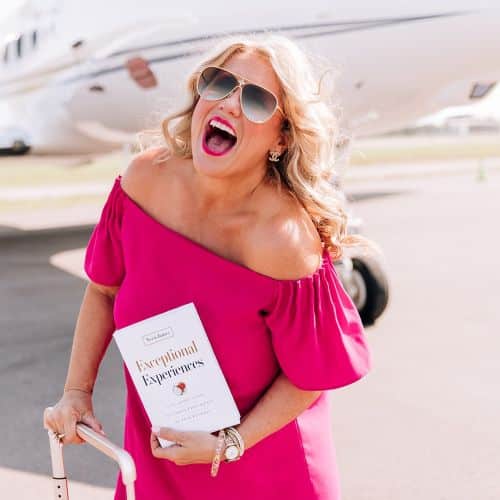
Neen James joins Stephen Woessner to explore how an agency makes that experience worth choosing. Neen is a client experience expert, keynote speaker, leadership strategist, and the author of Exceptional Experiences: 5 Luxury Levers to Elevate Every Aspect of Your Business. Her work applies principles from luxury and service businesses to the everyday moments that shape trust, preference, and advocacy.
Her central point is direct:
“Luxury is about the human connection.”
The opportunity is to make a person feel seen, heard, and valued…without requiring a luxury product or an extravagant gesture.
Quick answer: Agencies become the preferred choice when prospects and clients can experience the care and judgment behind the expertise. Neen James teaches five Luxury Levers: Entice, Invite, Excite, Delight, and Ignite. Use a relevant story to earn attention, make the invitation feel personal, create a memorable moment, demonstrate that you understand the person, and equip advocates to share the experience. A concierge mindset helps the agency anticipate needs and remove friction. Systemized thoughtfulness makes that care repeatable. Start with one touchpoint and design the experience deliberately, rather than depending on someone to remember a thoughtful gesture.
In this conversation, Neen maps the path from attention to advocacy. Stephen connects her teaching to Predictive ROI’s Authority-to-Demand Ecosystem: expertise earns attention, an experience of that expertise can strengthen the Trust Bridge, and a relevant invitation gives the prospect a next step.
That agency application belongs to Predictive ROI. Neen’s contribution is the experience standard and the systems that help a team carry it.
How do exceptional experiences make your agency the preferred choice?
1. Use the five Luxury Levers to create a path from attention to advocacy
Neen’s Experience Elevation Model™ moves beyond earning attention and securing the first commitment. The relationship should keep developing until the person has something meaningful to share with others.
Her five Luxury Levers name different opportunities to improve that relationship:
| Luxury Lever | Neen’s teaching | Agency application |
|---|---|---|
| Entice | Capture attention through a story that gives someone a reason to lean in. | Make your expertise relevant to the prospect’s world. Help the person understand the values and thinking behind your agency. |
| Invite | Welcome the person into an experience where they feel they belong and can recognize the expertise available to them. | Make the next conversation specific. Show that you understand whom it serves and why it is worth their time. |
| Excite | Elevate an ordinary interaction into a memorable moment that creates curiosity about what else is possible. | Design a useful moment in your teaching, meeting, or onboarding that the person will remember and want to describe. |
| Delight | Demonstrate that you know the person through personalization, customization, and anticipation. | Do the research, ask purposeful questions, and follow through in a way that reflects the person’s priorities rather than a generic template. |
| Ignite | Deepen relationships and make advocacy easier through a meaningful experience and a specific way to share it. | Give advocates a story they can repeat and a clear description of the people your agency can help. |
Those agency applications are translations of Neen’s teaching, not additional steps in her model.
A strong invitation depends on what came before it. Neen explains that an origin story can help someone understand the people, values, and expertise behind a business. The story should create connection rather than become a recital of credentials.
She shares her own beginning: a childhood in a small Australian town and a mother who brought a flower home after work. The gesture made an ordinary space feel special. That experience helped shape Neen’s view of luxury as attention and care…not simply expensive things.
For an agency, the useful question is whether its story helps the prospect understand why the work matters and what the relationship will feel like.
The experience should give a prospect a reason to take the next step…and eventually give a client a story worth sharing.
2. Think like a concierge while keeping the operational work seamless
Neen uses a hotel metaphor to make the difference memorable.
A bellhop performs an essential role: welcome the guest, move the bags, and help the stay begin smoothly. A concierge adds another kind of value. The concierge learns what matters to the person, makes informed recommendations, and creates possibilities the guest may not have known to request.
Neen is clear that both roles matter. The lesson is to combine reliable execution with thoughtful judgment.
For an agency, this is the difference between completing a handoff and helping a client feel prepared for what comes next. It is the difference between sending a standard meeting invitation and demonstrating that the team understands the situation worth discussing.
Neen also emphasizes removing friction. A thoughtful experience should make life easier. Personalization loses its value when the client must repeat information, work out the next step alone, or interpret a recommendation that has not been connected to the business problem.
The agency application starts with understanding. Research can help your team arrive prepared, but purposeful questions and alignment still need to come before prescription. Anticipating a need does not mean assuming the prospect’s priorities or recommending work before the team has understood them.
A concierge experience lets the person feel the agency’s judgment…not simply observe its task list.
3. Build systemized thoughtfulness so care survives a full calendar
Neen calls her practice systemized thoughtfulness.
The starting point is simple: choose a group of advocates whose relationships you want to deepen. Put their names down the left side of a spreadsheet and the months across the top. Then schedule an appointment with yourself to decide what would be useful or meaningful to each person.
Neen shares her own rhythm: the first Monday of each month. The spreadsheet records what she has done so the next interaction can reflect the relationship rather than repeat the same gesture.
A thoughtful touch might be a handwritten note, a personal video, an introduction, a relevant article, or a book selected for that person’s interests. The value comes from the relevance and the care behind it, not a requirement to send expensive gifts.
The same principle applies to the team’s client experience. When the agency knows what matters, it can make the follow-through easier to deliver: assign an owner, keep the useful information accessible, and build the action into the calendar.
Neen recommends beginning with one system. A list, an appointment, and a record of what happened can be enough to start.
In our opinion…that is an important connection to becoming an in-demand agency. The agency’s expertise may already be trusted. A consistent, thoughtful experience gives prospects, clients, and advocates more opportunity to recognize the value of the relationship and choose a relevant next step.
Systemize the follow-through. Keep the choice of gesture personal.
What a rug-cleaning service taught Neen about a share-worthy experience
Neen illustrates the lesson with an everyday service experience.
After her kitten needed a procedure, she needed a rug cleaned. The provider gave a clear quote, moved the furniture, collected the rug, and communicated what would happen. The team then sent video showing the cleaning and returned the rug at the promised time.
Neen reports that the experience made the provider easy to recommend. She could describe what the team did and how the process felt.
This is Neen’s personal account, not a measured agency case study. Its usefulness is in the details: the service made the work visible, kept the person informed, and followed through.
For an agency, those same questions are worth asking. Does the client know what is happening? Can the client see the thinking and progress behind the work? Does each handoff reinforce the standard the agency promised?
A share-worthy experience can begin with those ordinary moments delivered with excellence.
What you will learn in this episode
- How the five Luxury Levers connect attention, belonging, memorable moments, personalized care, and advocacy
- Why an origin story can create connection when it reveals values and relevant expertise
- How to use a metaphor to make the agency’s role easier to understand and describe
- Why the concierge mindset combines anticipation and judgment with reliable operational execution
- How removing friction changes the experience before and after a client says yes
- How a monthly advocate calendar turns thoughtful intentions into consistent follow-through
- Why a useful experience gives clients and advocates something specific to share about your agency
Put one agency touchpoint through an experience test
- Choose the moment. Bring one invitation, onboarding handoff, or client follow-up into your next team meeting. Name what the person needs at that moment and what your agency wants them to understand.
- Find the generic part. Where does the interaction fail to reflect the person’s situation? What question, explanation, or thoughtful action would make the experience more useful?
- Make the care repeatable. Assign an owner, record what matters, and schedule the follow-through. Then ask the person whether the change helped them feel more understood.
Neen’s framework is a way to inspect the experience, not permission to add gifts or flourishes that the person does not value. Begin with the relationship and the need.
Continue the experience-of-expertise conversation
In Scott McKain’s episode on how agencies become unmistakably valuable, Scott explains why distinction must be experienced consistently across the entire client journey. Neen offers five ways to examine and elevate those moments.
In Don Yaeger’s episode on business stories that move people to act, Don makes the listener central to an intentional story. Neen explores how an origin story and a memorable service experience can create connection and give someone a story to share.
In Brett Gilliland’s episode on leadership capacity and predictable agency growth, Brett asks whether the team can carry the promise Demand creates. Neen’s systemized thoughtfulness shows how a standard of care can become part of the team’s operating rhythm.
In Simon Bowen’s episode on showing your thinking to make your agency easier to choose, Simon makes expertise visible. Neen adds another perspective: make the person feel the care and judgment behind the expertise.
Explore The In-Demand Agency Podcast archive.
Research notes and sources
1. Exceptional Experiences and the five Luxury Levers
Neen James’s official Exceptional Experiences book page identifies the Experience Elevation Model™ and its five Luxury Levers: Entice, Invite, Excite, Delight, and Ignite. Her official playbook provides the model’s implementation tools and confirms the full book title, Exceptional Experiences: 5 Luxury Levers to Elevate Every Aspect of Your Business. These are Neen’s frameworks. The agency examples in these notes are Stephen’s and Predictive ROI’s application of the interview, not separate research findings.
2. Human connection, the concierge mindset, and systemized thoughtfulness
Neen’s official collection of quotes from Exceptional Experiences explains human connection, thoughtful personalization, a concierge mindset, and systemized thoughtfulness. The monthly advocate spreadsheet described here is Neen’s own practice as shared in this interview. The short quotation “Luxury is about the human connection” comes from her closing statement in the episode; it is not a quotation attributed to another researcher.
3. Expertise and the limits of the examples
Neen’s official biography describes her work as a leadership strategist, executive advisor, keynote speaker, and author focused on exceptional client experiences. Her childhood story and rug-cleaning example are personal accounts shared during this interview. They illustrate her teaching; they are not controlled studies or promises of a particular commercial result. No percentage increase in agency revenue, referrals, or preference is asserted in these notes.
Resources
- Explore Neen James’s book, Exceptional Experiences
- Explore the Exceptional Experiences Playbook and its implementation tools
- Read Neen’s published teaching on human connection and systemized thoughtfulness
- Learn more about Neen James’s work
- Connect with Neen James on LinkedIn
- Explore The In-Demand Agency Podcast archive
Your right next step
Create the advocate list Neen describes. Choose the people whose relationships you want to deepen, schedule a recurring appointment, and decide on one thoughtful action for each person.
Begin with what would matter to that person. A relevant introduction or a personal note can demonstrate care without adding an elaborate process.
Then use the same standard inside your agency: one touchpoint, one owner, and one specific improvement the prospect or client can experience.
Onward with gusto!
About Neen James
Neen James is a client experience expert, leadership strategist, executive advisor, and keynote speaker. She is the author of Exceptional Experiences, Attention Pays, and Folding Time. Her work helps leaders apply luxury principles to client relationships, communication, and everyday service experiences. Through the Experience Elevation Model™, Neen teaches five Luxury Levers that connect first impressions to deeper relationships and advocacy. In this episode, she draws on her work with organizations and her own relationship practices to show agency owners how a concierge mindset and systemized thoughtfulness can make care more consistent. Learn more through Neen’s official biography.
The transcript below has been edited lightly for clarity, speaker identification, and proper names. The audio remains the authoritative version of the conversation.
Stephen Woessner [00:00:08 – 00:00:54]
Over the past decade, we’ve hosted more than 1,200 conversations with CEOs, bestselling authors, respected researchers, and agency leaders. And that body of work has generated nearly 1 million podcast downloads and YouTube views from listeners and viewers in more than 100 countries. 100 countries. And here’s the red thread running through the insights we’ve collected. Agencies that have built an authority position no longer struggle to be seen. Instead, they struggle to activate latent demand. Agency leaders have said to us, is exactly where we’re sitting right now, authority without demand. So welcome to the In Demand Agency Podcast presented by Predictive ROI.
Stephen Woessner [00:00:55 – 00:02:21]
Sparked by research from the Harvard Business Review, Edelman, Gallup, Agencycore, all showing that trust has moved upstream. In today’s marketplace, authority earns attention. Yes, but demand, demand is what turns attention into action. Each episode deconstructs the science of demand from behavioral psychology, decision-making research, and the cross-industry strategies behind why in how B2B buyers make their decisions. We interviewed the world’s leading behavioral scientists, agency network leaders, and strategists from industries far beyond ours— experts who are reshaping how demand works. I’m your host, Stephen Wessner, and in each episode, we’ll translate their insights directly into the agency world. And these conversations are now being heard by a community of over 30,000 agency owners and their teams. With me for today’s episode is Neen James, client experience expert, keynote speaker, leadership strategist, and the author of the USA Today bestselling book Exceptional Experiences 5 Luxury Levers to Elevate Every Aspect of Your Business.
Stephen Woessner [00:02:22 – 00:03:26]
And here’s why I was so excited, friends, over the moon when our mutual friend Susan Byer reconnected Neen and me. Many of the agency owners and leaders my Predictive ROI team and I talk with believe their agency’s depth of expertise is excellent. It’s valuable and worthy of their prospects’ attention. And in many cases, indeed it is. But the experience your prospect has with your agency, friends, with your content, the experience they have with your first email, your first conversation, your proposal, your nudges, your onboarding, and your delivery. If you’re not orchestrating all of those experiences with the right choreography, your agency can quickly feel like every other agency your prospect has met in the past and then decided not to work with. Means Work is built on an idea I think you need to hear, friends. Luxury is about experiences, not things.
Stephen Woessner [00:03:26 – 00:04:09]
And you don’t need a luxury price tag to create that level of experience for your prospects. The experience your prospect has with your agency way upstream is the proof Of what working with you will feel like after they say yes. So Nina and I are going to deconstruct her 5 luxury levers: entice, invite, excite, delight, and ignite. And we’re gonna map out how your agency can use those levers to create intrigue, curiosity, and desire with intention on your path to becoming an in-demand agency.
Neen James [00:04:11 – 00:04:26]
I actually think that attention is about connection. Luxury is about the human connection. My body of work, if you look at anything I’ve ever written or anything I do, it’s always to ensure this. How do you truly make people feel seen, heard, and valued?
Stephen Woessner [00:04:27 – 00:04:27]
Hmm.
Neen James [00:04:27 – 00:04:37]
And you do not have to have a luxury product to provide that level of luxury experience to someone. We all want to be seen, heard, and valued. And that’s the challenge that I would give everyone today.
Stephen Woessner [00:04:41 – 00:04:54]
Neen, welcome to the In Demand Agency Podcast. I am like so over the moon. I started hearing my voice crack during that introduction. I was like, oh my gosh, I sound like I’m going through puberty again. I’m so excited for this conversation. It is great to have you here.
Neen James [00:04:55 – 00:05:20]
Oh, what a privilege, g’day. And for people who are listening, my voice has like never cracked. So I still sound like I’m 5, Stephen. So I am beyond excited about this and we have so many mutual friends who we both admire, but when you talked about Susan, oh my gosh, she helped change some of the direction of the way that I was offering these experiences in the world as well. So I’m very excited to serve your listeners.
Stephen Woessner [00:05:20 – 00:05:55]
Yeah. She, Susan, if you’re listening, our friend, you orbit a distant moon of awesome. You are exceptional. And thank you again, Susan, for making the introduction, reintroduction so that Nina and I can have this, this great conversation. So Nin, as you heard in the introduction, your 5 luxury levers, and I think it’d be really great if you don’t mind starting us off with, with some foundation around the 5, what each of them mean, why you chose them, because I think that’s gonna help set the stage for the conversation that you and I are gonna have.
Neen James [00:05:55 – 00:06:24]
Yeah, I would love to do that. So when you get exposed to my work, it’s very easy to see all the amazing brands that I get to work with, and I’m very privileged and I also need our listeners to know, Steven, I did not come from luxury. I am from a tiny little town in Australia where there was one traffic light when I was growing up. I was raised by a single mom and my mom, she would, she would clean houses. She picked lettuce and she sold fruit on the side of the road.
Stephen Woessner [00:06:24 – 00:06:25]
Wow.
Neen James [00:06:25 – 00:06:53]
Steven, no matter how tired my mom was at the end of a busy shift, she would walk through a community garden and she would pick a flower. And she would bring that flower home to our caravan. Now in Australia, we call it a caravan. In America, you call it a trailer park. Uh, but she would take this beautiful flower and she would pop it in a glass. We called it a vase because it made us feel so fancy. And you know, my mom reminded us, Steven, as little girls that it didn’t matter about money or things, that we all deserved luxury. We all deserved beauty.
Neen James [00:06:54 – 00:07:37]
And I think my love of luxury, Steven, has come from my mom because my mom, while we didn’t have what was perceived to be anything, She ensured that luxury was an experience and that one that she showed us as little girls that we all deserve. So I think my concept of luxury as a mindset has been there since I was a little girl. Now, Stephen, the other thing that I should also tell our listeners is there are so many studies on how does luxury make you feel? You know, hopefully it makes you feel great. That’s great. There’s plenty of research on that. But when I really thought about the work I do as a confidante to CEOs of luxury and legacy brands, I’ll walk into a CEO’s office and go, so Steven, luxury is a mindset. Okay. Are we good? He or she is going to go, you’re a lunatic.
Neen James [00:07:37 – 00:08:12]
Like, what are you talking about? So I needed evidence to support my theory. And that’s when I reached out to the lovely Susan on the guidance of our wonderful friend, Pam Slim, who I said to Susan, I was like, so luxury is a mindset, make sure I’m right. Well, apparently that’s not how research works. My AFB owners are laughing right now at my craziness. But so I came from this place, Stephen, you asked about the foundation. I came from this place that in my DNA, I believe that everyone deserves luxury. I believe luxury is something we can do every single day. I just needed the evidence that I was right.
Stephen Woessner [00:08:13 – 00:08:13]
Okay.
Neen James [00:08:13 – 00:08:41]
Well, bless Susan. She came back and said, well, Neen, you’re not right. There’s not one luxury mindset, there’s 4, and we can get into that. But what I had My brain, Stephen, as soon as you start talking to me, I’m literally drawing models in my head. I draw contextual models in my sleep. I love them. My brain needs a sorting methodology. So contextual models to me are the easiest way to sort the most complex ideas and simplify them in a way the whole world can understand.
Neen James [00:08:42 – 00:09:37]
And so I knew I needed a model to support my thinking and my research outcomes from Susan. and all of my body of work. And that’s a really long-winded way to say that’s how we got to the 5 Luxury Levers. But there’s one extra point that I want our marketers listening to this to know, because they would be very familiar with the AIDA model, which stands for attention, interest, desire, and action. And I looked at that model and I thought, yeah, it’s pretty good, but I don’t want to just capture someone’s attention and have them purchase. I need those same people to have this incredible exceptional experience so they become advocates, because I believe the money’s in advocacy. And so I thought, how do you ignite these advocates in a brand situation? And because I’m a corporate person, I’ve worked predominantly with corporate. I thought to myself, how do I show my clients how to do that with all of the things that I’ve taught over the years? So that’s what brought us to the 5 Luxury Levers.
Neen James [00:09:37 – 00:10:07]
So let me walk you through them at the highest level. For those of you who have my book, Exceptional Experiences, you can find it on page 46. The whole model is there. Literally everything I’m talking to you about, you can get it for like, I don’t know, $20 in my book. Right. So I wrote my book so that it was like, uh, all the consulting I do for the brands, it’s accessible to you here. So the first of the luxury levers is really how do you entice? Entice is about enticing someone and capturing their attention. That can be through your storytelling.
Neen James [00:10:07 – 00:10:52]
It can be through sharing your origin story, but it’s ensuring that people are enticed enough to capture their attention. So the second of the luxury levers is invite. How do you then invite those people whose attention you have basically now got? And then you think, okay, now I’ve got your intention. I wanna invite you into my community. How do I share with you that you really belong here? And this is where you need to demonstrate your expertise. Now, people listening to this, they’re already experts in that. We know that they’re already in trust relationships with their clients. But this is where potentially your clients are asking you questions like, okay, if I work with you, how do I get access to that? Right? So this is where we’re starting to really create some of that intrigue.
Neen James [00:10:53 – 00:11:48]
And I know you talk about intrigue and curiosity and desire. So these 2 luxury levers of really enticing and inviting someone in is so on brand with what you all do at Predictive ROI. But this is where it gets fun because then we get to the luxury lever of excitement. Now I love this one. I am very biased, but I love this one because because this is where you elevate everything. And an easy way that agency owners, anyone who’s listening to this, an easy way you can leverage this particular luxury lever is, you know, we talk about surprise and delight all the time, but I think it starts with excite because excite, for example, about how you can include a sensory experience. Think about all of our senses and marketers know that the sense of smell deepens an emotional connection to a brand. It doesn’t matter if I stay at the Tampa Edition, the New York Edition, or the Madrid Edition.
Neen James [00:11:48 – 00:12:21]
Those hotels all have a signature scent. And the moment that I walk into that lobby, I am transported to my fabulous client of the Edition Hotels. And I love it. So it’s a choice that I make. And so when you think about excite, one of the strategies inside the book, by the way, there are systems of elevation for every one of these. So If you wanna know all the practical how-tos, it’s obviously all outlined for you. But one of my favorites of the strategies here, the systems, is that sensory experience. Get people excited about you so they want to tell others.
Neen James [00:12:22 – 00:12:52]
Then the client starts going, hmm, well, if they did that, like what else might they do? Right? So then that intrigue, that curiosity gets greater. This is where we then move to the luxury lever of delight. And delight is one of my favorites because delight is where you show someone you know them. This is the personalization. This is the customization. The benefit of working with luxury brands, Stephen, is what I think they do better than anyone else on the planet is customization and personalization.
Stephen Woessner [00:12:53 – 00:12:53]
Amen.
Neen James [00:12:53 – 00:13:49]
They have systems in place that will allow them to do that. And so do so many of our agency owners. It is simple to customize a template, an email, an outreach, an activation. The simplicity of using someone’s name and in our world right now, in our digital AI world that human connection is more important than it’s ever been before. And this is where I think our agencies and the agency owners can differentiate what they do by truly leaning into this luxury lever of delight. Because what’s really interesting about this too, where I see brands do this phenomenally well, is the brands who anticipate things I didn’t even know I needed. And as an agency owner, when you can speak to the concerns and fears that your client may not be telling you, but you can share the solution with them before they’ve even articulated People are blown away. As a keynote speaker, I’ve stood on stages around the world and I can name the challenges for that audience.
Neen James [00:13:49 – 00:14:50]
And I sit and I watch them and they’re like, is she in my head? How does she know that? It’s because I’ve done my research in advance, but it’s because I can speak their language that they’re like, oh, she’s so right. And then I can provide a solution the same way that our business owners do. And then we move to probably my most favorite of all the 5 luxury levers. And that is the luxury lever of ignite. And this is where it all happens because this is how you create advocates. And you’ll remember that we started with really enticing someone and capturing their attention, but Ignite is about creating advocates. This is not only where you really deepen your relationship with your clients through systems of elevation, like event strategies, teaching them how to refer you, being really specific about the ask and what you want. But I think what’s really fun about this luxury lever is you’ve then built a sales and marketing team out in the world who are going to refer business to you because they love you so much.
Neen James [00:14:51 – 00:16:00]
The key question these clients are thinking about right here when you have advocates is, how do I actually, how do I share this experience with someone else? How do I tell others? How do I refer you? So when you look at the experience elevation model inside my book, you’ll notice that it is everything from how do you capture mindshare? all the way through, taking you through the journey to truly drive market share. Because all of the work I do, Steven, all my CEOs, all of the executive teams I work with, they are all focused on 2 things: mindshare, market share. I would suggest 92% of the audience listening to this are possibly focused on the same thing, right? And so that’s what we call the 5 Luxury Levers. Inside each of the luxury levers, there’s several systems of elevation that I’ve been using for a million years with my I may sound like I’m 5, you need to add some zeros to that number. And that’s, I’ve been around a long time doing this. And that’s what I wanted to share is a framework so that if you are a DIYer, you could pick up the book and go, okay, this is how I’m gonna use it. Or, you know, there are other tools. We have an experience, Exceptional Experiences Playbook we built, Stephen.
Neen James [00:16:01 – 00:16:24]
So what we were able to do is take every single one of those systems and create videos, downloadable fillable PDFs, AI prompts you can cut into your favorite tools. So we literally built the playbook to sit alongside this. So it’s all done for you. And that’s, it’s so important to me that I wanted people to be able to apply this. So that’s my 5 Luxury Leaders.
Stephen Woessner [00:16:24 – 00:16:57]
Holy bananas, friends. I, I, I love the start to this conversation. You know, I feel like I’m hanging on by my fingernails, which I absolutely love. Uh, I know that I would be, I’ve, I feel like I’m going Mach 3 with my hair on fire, except I don’t have hair. But if I did have hair, it would be on fire. So a couple of things before we go, and you actually highlighted where I was hoping that we could go next, and that is the mindshare market share. So I totally want to do that. And specifically the relationship between— maybe that’s not the right way to say it, but essentially entice and then invite.
Stephen Woessner [00:16:58 – 00:17:03]
That’s a critical piece from a business development perspective, of course, of the enticing. Yes.
Neen James [00:17:03 – 00:17:03]
Okay.
Stephen Woessner [00:17:03 – 00:17:44]
You might have captured somebody’s attention, But then if you go to invitation too soon, it could feel too soon. And so what is the nuance in there between entice and invite? What’s the permission? How do you know when? But we’ll get to that in just a second. When you were talking about the systems for elevation, I love that. And it reminded me of a story when way early on in our business, back when Darren Hardy was publisher of Success Magazine, he was on our board of advisors here at Predictable ROI. And I remember in a conversation with him once, he was telling me how he went to go interview somebody. He went to go interview the CEO of Marriott for Success Magazine. I don’t know. I think it was a cover story or something like that.
Stephen Woessner [00:17:45 – 00:17:59]
And I think, I think the meeting was being held at a Ritz-Carlton location. I want to say New York, but I could have that wrong. Anyway, so Darren went and of course, you know, everybody is, uh, thank you. And how can I help you? And my pleasure, Darren, my pleasure, my pleasure. Right. You know?
Neen James [00:17:59 – 00:17:59]
Mm-hmm.
Stephen Woessner [00:18:00 – 00:18:04]
And so, so, so Darren walked into that meeting, I think it was with Bill Marriott, I think.
Neen James [00:18:04 – 00:18:04]
Mm-hmm.
Stephen Woessner [00:18:04 – 00:18:34]
Uh, so he went into that meeting and said, Bill, how in the world, like, how in the world do you find so many friendly people? Like, is there a training program? How do you get your people to be so friendly? Like, like, how do you do that? How do you make them friendly? And Bill looked at Darren and said, Darren, we just hire friendly people. And so, that made me think of when you said there’s a system.
Neen James [00:18:34 – 00:18:35]
Oh, yeah.
Stephen Woessner [00:18:35 – 00:18:45]
Elevation. There’s intentionality to this. This is not guesswork. It’s like, oh, look at that. The 5 levers are put into place. No, you’re doing it with a system intentionality, right?
Neen James [00:18:46 – 00:19:08]
Yeah. And I love that brand because I was very privileged to, uh, interview one of the founders of Ahamla, and he is such a sweet man. And I was like a giddy schoolgirl when I met him. Oh, wait, like, I was like such— it was hilarious. I was like, oh my God, gentlemen. Like, I was just like, I blurted out ridiculousness. I was in awe. He was so generous and kind.
Neen James [00:19:08 – 00:19:10]
And I interviewed him for my book, obviously.
Stephen Woessner [00:19:10 – 00:19:10]
Yeah.
Neen James [00:19:10 – 00:19:51]
But you know what, all systems that they have that people may be aware of, or maybe not, is that they have the 10-5 rule, meaning that if someone is a guest is within 10 feet of you, you acknowledge them, you smile, you know, you stop what you’re doing. And once they’re at 5 feet, you say hello, you acknowledge you. It doesn’t matter what you’re doing. It doesn’t matter who you are on property in the hotel, whether you’re inside or outside the building. And I love this because it means that friendliness is a system that they have trained all of their team on. And think about all the brands that send their team members to the Ritz-Carlton training. It is literally world-class best standards. And so I think, you know, back to your, your question around think through, entice, and invite.
Stephen Woessner [00:19:51 – 00:19:51]
Yep.
Neen James [00:19:51 – 00:20:13]
One of the key strategies you want to consider in a system of, of elevation that’s often overlooked, I think, is sharing origin story. It’s a beautiful way to showcase how you’re different. I think of clients I get to work with like Chanel. If you go into a Chanel makeup store, which, you know, you don’t have to buy the beautiful bag, but you might just want a lipstick.
Stephen Woessner [00:20:13 – 00:20:13]
Okay.
Neen James [00:20:13 – 00:21:08]
Every sales associate has been trained in the stories of Gabrielle Bonheur Chanel, every single piece of merchandise, every campaign. Is so deliberate and every single thing ties back to her. So for example, if you are someone listening to this and you go into store and then you wanna pick up the 31 refillable Le Rouge lipstick, right? The merchandise almost looks like a mirrored staircase because it is matching her staircase where she used to watch her models walk before their show. The intentionality that is shared in the origin story of every product, every piece that they share. And the sales associates love to talk about her as if she were alive still today. Her legacy lives on. So for some of us listening, I would challenge you just, do people know your origin story? And I’m not just talking in the about us on your website. I’m talking about your proposals.
Neen James [00:21:08 – 00:21:22]
I’m talking about your meet and greets. I’m talking about the first onboarding experience of a team member. I’m talking about when you’re at a networking event, when you serve on a panel, how many people know your origin story? You will notice. I opened with my origin story.
Stephen Woessner [00:21:23 – 00:21:23]
Yes.
Neen James [00:21:23 – 00:22:17]
Part of that is so people don’t realize I am a little bit of a brat, but I didn’t come from being a brat, right? I started out from a place of not having luxury in my world, but being demonstrated the experience of luxury from my mom. So I think one of the ways you can easily get that, you can accelerate that attention is share your origin story. And then the invitation to become part of that story feels a deeper connection for the person who wants to potentially hire you to work with them. Because think about it, these people are trusting you with their story. These brands are saying, here’s my story, share it with the world. I know your origin story, how do you— the values and everything is aligned. And so I think sharing your origin story is something that many people overlook. And yeah, it would take you half an hour to pull it together and then start asking the team, how do we incorporate that? Think about this.
Neen James [00:22:17 – 00:22:53]
When you go to a restaurant, if the sommelier is invited over to tell you a little bit about the different wines that are available at the restaurant, you are often more likely to go with a recommendation from the sommelier. It’s recommending the most expensive. They’re asking about your tastes and your regions and, and your meal choice. And then they’re recommending because we value their expertise. You feel like so much more connected to that bottle of wine because you had part of understanding where that came from. And why you now will enjoy it. And then once you have enjoyed it, the sommelier has checked in and said, what did you think, Steven? You’re like, I’m going to be ordering this again. This was delicious.
Neen James [00:22:53 – 00:23:12]
You look like a hero at the table. They look like a hero. And it gets even better. Then the chef comes over and says, Steven, how was your meal? Blow your mind. You’re like, this was amazing. Loved everything about it. Or, hey, this is something that I’ve never tasted before. Where do you want to go next time you’re in town? You want to go see that sommelier who knows you.
Neen James [00:23:12 – 00:23:36]
You want to tell your friends that you met the chef and you were so excited about the way that they had changed the menu. Origin story. We need to be creating experiences that create stories. So you are share-worthy and people wanna pull out their phone and take a photo, or they wanna tell someone about you. And share-worthy doesn’t have to be expensive. In my house, I have a little boy. His name is Harley. He is my ragdoll kitten.
Neen James [00:23:36 – 00:23:55]
He is hilarious and ridiculous. And recently he had a procedure and so he wasn’t feeling his best, which Hmm. Ultimately meant I had to have my rug cleaned. So this is not an easy thing. I have a white house. I have a white cat. I have white furniture. So we found a service.
Neen James [00:23:56 – 00:24:09]
They came, they quickly gave us a quote. They came and moved the furniture. They picked up the rug. They washed the rug. They took a video of the rug and how it came out. They showed a video of the water that came out of my rug. Gross.
Stephen Woessner [00:24:09 – 00:24:09]
Yeah.
Neen James [00:24:09 – 00:24:24]
And then they said, we will be here to deliver at this time. Everything was on time. Anytime I’m gonna recommend someone to take care of a rug, you better believe that experience, not super expensive. Every single touchpoint.
Stephen Woessner [00:24:24 – 00:24:24]
Yeah.
Neen James [00:24:24 – 00:24:59]
They told us what was gonna happen. They told us why they had their company. And this is a tiny little example, Stephen, of what I think we need to consider as owners of businesses in how do we not only entice someone’s attention through the tools that are already available to us, but then so much more that they wanna be invited in. And when we get to invite we need to speak the luxury language of what is important to that person. Because what I know from my research is luxury is defined very differently for everybody. And once you understand that and you know luxury is a mindset, you can speak the mindset of the person that you want to attract.
Stephen Woessner [00:25:01 – 00:25:14]
This is so good. So let, let’s go back to the origin or the origin story. ‘Cause of, of course the, the, agency owners, leaders, and their teams who are listening to you right now, they have an origin story.
Neen James [00:25:15 – 00:25:15]
Of course they do.
Stephen Woessner [00:25:15 – 00:25:19]
Yeah. But, but, but to your point, are likely not telling it.
Neen James [00:25:19 – 00:25:20]
Mm-hmm.
Stephen Woessner [00:25:20 – 00:25:47]
So, so I, I, I want to squarely address a, a point of friction that my, my guess is, is that they may be feeling as they’re hearing you say that. And that is, uh, okay, Neen, um, how do I share the origin story without sounding self-indulgent, self-aggrandizing, all of those things? So that it reads like that it’s a connecting point that we can go then from excite to invite because of, I’ve shared the story, but I shared it in the right way.
Neen James [00:25:49 – 00:26:19]
So I shared that I’m, I come from a trailer basically like that, but I work in the boardrooms of some of the coolest brands on the planet. Yeah. That’s the first part is not bragging. The second part, that’s absolutely bragging. I’m so proud of the clients that I work with and I love them, but it’s also my reality, right? It’s not like Oh, these are people I wanna work with. This is the conversations I find myself in. If you’re stating facts to demonstrate your expertise in a way that is eloquent and elegant, you’re going to have your clients go, oh wow, okay, I’m like that.
Stephen Woessner [00:26:19 – 00:26:20]
Mm-hmm.
Neen James [00:26:20 – 00:27:08]
So I believe that you need to position yourself in a way that really demonstrates several things. In my business, we have what we call the Platinum Positioning Matrix. It’s a framework that we teach that allows you to showcase Basically about you, about them, and how you impact the world. And you can very quickly create a few sentences on your story. Tell people a little tiny bit about your background. Tell them about your expertise and what you’re obsessed with, because the moment you say you’re obsessed with something, you’ve got them leaning in, your eyes light up, your energy shifts, and they’re like, oh, that sounds pretty cool. Give them examples of things that you have done or people you’ve worked with, not in a bragging way, but you can say things like, You know, I’ve had the privilege of working with the Ritz, Four Seasons, Virtuoso Travel, and Flexjet and Shelter. And what they will tell you about me is this.
Neen James [00:27:09 – 00:27:29]
You can use third-party if you want recommendations, if you don’t feel comfortable saying it yourself. Um, and then you can give them a metaphor. For example, I do a lot of work with meeting professionals. So I will often say, I’m like the Energizer Bunny for your meeting, but my batteries don’t run out. Right. I am little, 4’10 and a half. I wear a lot of pink. Uh, this is it.
Neen James [00:27:29 – 00:27:54]
I have one mode until I’m asleep. Right. And my meeting planners, Stephen, they’re paying for my energy on stage. That’s what they want. My brain is a bonus, but they just want someone who can motivate and inspire that audience with some practical strategies. So one way you can think about it is create a phenomenal metaphor for your business. One of my clients that I love is Alhai, which is Associated Luxury Hotel International. The CEO there, his name is Mike Dominguez.
Neen James [00:27:55 – 00:28:39]
He’d be a great guest for you. He used to run MGM in Vegas. Um, and Mike and I were talking about, he, his clients are the hotel owner groups, right? And so his client, his team are the sales and marketing arms of those particular hotels. And Mike and I were talking about, they have this great, their hotels have phenomenal event space. So a client for them would be a meetings and events person, an executive assistant, those people. So I was thinking about that and we were talking about what’s a great metaphor for Mike and OwlHive. And I was like, ah, I think you’re like a sommelier because you pair the perfect property with the perfect space, with the perfect client experience for that particular meeting planner. And he is like, and he loves red wine.
Neen James [00:28:40 – 00:29:39]
Perfect. So when he now talks about it, he’s like, think of me like a sommelier. I’m gonna ensure that the right, you know, right event is in the right space with the right team, et cetera, et cetera, et cetera. Just like a sommelier pairs the right meal with the right wine. I love metaphors and I wish that agency owners used them more because we often come up with them for our clients, but forget to do it for ourselves. A metaphor is memorable and repeatable, and the metaphor lights up the right hemisphere of the brain where a person is creating visual images as you’re talking. And so for your clients who tend to lean more on their right hemisphere of their brain, that metaphor is so powerful. So an easy action from this call is if you’re wondering, how do I do this? In your next team meeting, brainstorm with the team and say, what would you say about our story? What’s a good metaphor for us as a brand? And how do we incorporate that in our conversations? Because if you can speak to metaphor quickly and people are interviewing 6 agencies, one that gets remembered is the one that has the metaphor.
Neen James [00:29:39 – 00:30:10]
I guarantee you, because you’ve given them a story that is repeatable and memorable. And in a sea of sameness, we need ways to cut through the clutter. You know, I wrote a book called Attention Pays, so I’m very, I did a lot of research on attention and I think it’s about attention management. People are going to go on a journey. So you’ve been listening to this. My words have taken you onto journeys. My job is to bring you back as much as I can, right? Because people’s attention is going to be split. I hate when people say people’s attention spans are declining.
Neen James [00:30:10 – 00:30:32]
That is such rubbish. There’s no research to truly support that. It’s just that our attention spans are split. So if you wanna keep someone’s attention in our digital AI world, you need to speak stories that are engaging, that they wanna be part of. And using metaphor is a very easy way to cut through all of that. So the attention management is easier.
Stephen Woessner [00:30:33 – 00:30:56]
Oh my gosh, this is so good. Um, wow. Okay. We, we need to take a break. So, so friends, uh, Nina and I are gonna take just a minute break. And then when we come back, we’re going to peel back this metaphor piece a little bit further. You’re going to hear me ask Neen about concierge versus bellhop. We’re going to talk a little bit about that because I suspect that there’s a tie-in here.
Stephen Woessner [00:30:56 – 00:31:44]
But this metaphor piece is super brilliant, Neen. So friends, we’ll be back in just a minute. Hey friends, I would like to share a free resource my Predictive ROI team built for you based on the insights and wisdom That Neen James is sharing with you right now during this episode. If you go to predictiveROI.com/experience, you can download our free preferred choice scorecard. 5 questions, 3 minutes. And the scorecard will show you where your agency makes people feel understood, where the experience feels maybe a bit more transactional, and which touchpoint to improve first. Again, that’s predictiveROI.com/experience to get your free scorecard. Okay, friends, we’re back.
Stephen Woessner [00:31:44 – 00:32:17]
Uh, Neen and I, and holy bananas, our, our conversation in the green room at the break. Again, I still feel like, uh, going Mach 3 with my hair on fire, if I had hair, but hanging on by my fingernails. That first segment was just so amazing. Now we’re going to go into our second piece. And as you heard me say before break, I was going to ask Neen about the think like a concierge, not a bellhop, because my guess is that kind of hooks back into some of the things we were talking about before the break. But first, tell us sort of the origin story of that statement, because I think that’s going to be pretty powerful for our audience, Neen.
Neen James [00:32:17 – 00:32:43]
Yeah. People who are listening or if you’ve cyberstalked me, you know that I spend a lot of my time in, on, on ballroom stages. That’s my job as a keynote speaker. That’s one of the profit centers in my practice. And so, I find myself staying in a lot of hotels. You know, for me, I love being in a ballroom serving a group of people. I also love being in a boardroom working with an executive team, but that also means I’m away from home a lot. Some people drive to work.
Neen James [00:32:43 – 00:32:46]
I fly. It’s the same. It’s just a different commute.
Stephen Woessner [00:32:46 – 00:32:46]
Sure.
Neen James [00:32:46 – 00:33:14]
But what I’ll find is all of the hotels that I stay at, and there is a diversity of properties given all of the different destinations that I go to, and it’s not always a Ritz-Carlton for me. But one of the most vital roles of a hotel is the bellhop. The bellhop is there. They’re gonna open that door. They’re gonna move your bags as efficient as possible through that lobby to your room so you can get into your day. And we love a good bellhop. That is something that they are efficient and they are fantastic. Please tip them well.
Neen James [00:33:14 – 00:33:19]
They have a great job. It’s very transactional. They’re moving super quickly, right?
Stephen Woessner [00:33:19 – 00:33:19]
Mm-hmm.
Neen James [00:33:21 – 00:33:55]
But I think one of the most revered positions in a hotel Is the concierge, because the concierge is the person that we aspire to be. They are the person who knows everything about everyone. And these are the people who can get you that. They can get you that ticket to that concert that’s sold out. They can get you that table at that restaurant that was sold out ages ago. And they can tell you things about the community you didn’t even know you needed. They tell you about experiences you didn’t even know you wanted, but once the concierge tells you about it, all of a sudden you need it. And so I think a concierge and what they can do to your stay can be quite transformational.
Neen James [00:33:56 – 00:34:40]
And so what I wanna challenge people listening to think about is, yes, a bellhop is very much moving bags, but a concierge is creating moments. And I think we need to think more like a concierge than a bellhop. Both are important. We need systems like a bellhop in order for us to transactionally move through the process of the projects And the things we take on for our clients. And that should be easy and seamless because luxury is also about removing friction. It’s about making and creating ease, but a concierge mindset. When you can take on a concierge mindset where you are so well known, you know so much about the guests, you’ve done your due diligence in advance. You’ve given personalized, customized recommendations.
Neen James [00:34:41 – 00:35:10]
You can respond to any question that is being asked of you. And many of the founders of agencies, they can answer any question. And if they can’t, they know someone who can, right? We need to think more like a concierge. And the reason that I used it in my book is also to demonstrate the power of metaphor. I have so many people come back to me years after hearing me talk about this and say, I’ll never forget, I’m thinking like a concierge, Nina. I’m thinking like a concierge, not a bellhop. And I love my bellhops, pay them well. I think it’s a great role.
Neen James [00:35:10 – 00:35:28]
It’s not a diss to the bellhop. That’s a different role. role. It’s really thinking like a concierge, which is also thinking about luxury as a mindset and see, it all comes to mindset. If you wanna start with mindshare and you wanna grow market share, you gotta have the right mindset.
Stephen Woessner [00:35:28 – 00:35:49]
Steven, this is so good. I’m gonna highlight a couple of things and then I’m gonna tie this into your conversation with, you mentioned the co-founder of Ritz-Carlton. I think that was Hervé, right? Hervé Humbleur. Yeah. Is that right? Okay. So we’re, yeah. We’re gonna, we’re gonna come to that in just a second. But first, uh, just like, um, I mean, there were multiple golden nuggets in what you just said there.
Stephen Woessner [00:35:49 – 00:35:57]
I’m really keying in on about the concierge is the one who creates transformation. They’re the one who create moments.
Neen James [00:35:58 – 00:35:58]
Yes.
Stephen Woessner [00:35:59 – 00:36:51]
And, and then that creates a long-lasting experience, as you mentioned before we went to break, that yes, creating the metaphor, but, but you mentioned the, the one who gets remembered of the 6 agencies that are competing for that, that project or that campaign or that client, the one that gets remembered is the one who wins, right? So like, if we’re, if we’re really applying what you’re teaching here, then that helps create that memory. So let’s go to your conversation you had with Herve Hummler, co-founder of Riz Carlton, because I think if I got my prep correctly, um, he really liked your, your concept of Systematized thoughtfulness and said something to the effect of, which says something to the effect of, excuse me, consistent excellence that still feels human. So, you mentioned like systematizing like the bellhop, but obviously we need to still feel human. So, take us into that perspective.
Neen James [00:36:52 – 00:37:20]
Yeah, for sure. For my whole career, I’ve believed in systematized thoughtfulness. Random acts of kindness, that’s great. Keep doing it. Love that for you. But systemized thoughtfulness is truly putting systems in place to be thoughtful and to show up in the world in a better way. And so let me give you a really easy example from my own practice. And this is what Vivek and I were talking about is let’s say, so you’re listening to this, there might be 10 to 20 people that you wanna deepen your relationship with.
Neen James [00:37:20 – 00:37:30]
Let’s call them advocates. You’re gonna create an advocate list. And so all you need to do is open a spreadsheet. I hate spreadsheets, but this is my use for spreadsheet. You put their names on the left-hand side. You put the months of the year across the top columns.
Stephen Woessner [00:37:30 – 00:37:30]
Yep.
Neen James [00:37:30 – 00:37:31]
Easy peasy.
Stephen Woessner [00:37:31 – 00:37:31]
That’s it.
Neen James [00:37:31 – 00:37:35]
No formulas. Names on the left, months of the year on the top.
Stephen Woessner [00:37:36 – 00:37:36]
Okay.
Neen James [00:37:36 – 00:38:12]
And then what I do is I schedule an appointment with myself on the first Monday of every month at 8:30. And my job is to go through my spreadsheet to see how I can deepen my relationship with each of those advocates. That is as complicated as it gets. Now, here’s what I do every single month. The reason a spreadsheet is, I don’t have the brain capacity to remember what I did last month. So I have this list of names and I think, okay, what would be a really fun way to reach out to them this month? Maybe I saw a fantastic TED Talk, so I might send it to them. Maybe I just bought a great book. My friend Kelly Monahan wrote a brilliant book called Reclaim the Plot.
Neen James [00:38:12 – 00:38:33]
She is truly the leading thinker in AI right now. And so I buy 20 copies. I send them a copy of the book and say, this is what I need you to know as a leader in the world of AI. I might write them a handwritten note. I might shoot them a video. I love sending video notes, like video messages to people because it’s my energy, my voice. And it’s personalized. I might send a voice note.
Neen James [00:38:33 – 00:39:03]
My sister and I call them podcasts. Like I might send them like, you know, that sort of thing. But what I’m doing is every single month I’m scheduling time with myself and I’m reaching out. I might also write a recommendation on LinkedIn for them. I might make an introduction to someone in my network they need to meet. I might share a podcast I think would add value to their business. My job is to have a system to stay thoughtful because one of the things that’s challenging when your life is full Or what I might say my life is, that capacity. I am never busy.
Neen James [00:39:03 – 00:39:26]
I’m never too busy. I just have a very full life. It’s easy to let these little thoughtful touches go by the wayside. I carry stamps, stationery with me everywhere. It’s in every bag. It’s because in the hotel, I can write a note to housekeeping to say thank you. I can write a note to the GM about how great the service was there. I can write to the airlines about the wonderful person who served me in the cabin.
Neen James [00:39:27 – 00:40:07]
There are so many ways we can use thank you notes, a handwritten old-fashioned thank you note. So the only system that makes it possible for me is I just have to have a lot of them everywhere. So they’re in every bag. They’re, you know, it just makes my life easy, right? So systems thoughtfulness is finding systems to help you deepen relationships. And the system is the spreadsheet, the identified list, the appointment with yourself, and then creatively finding a way to stay connected. Because if you wanna differentiate yourself, you need to stay top of mind, mindshare. And one of the ways to do that is take what you do and make it tangible. About a million years ago, there was an old book by Harry Beckwith called Selling the Invisible.
Neen James [00:40:07 – 00:40:49]
And one of the things I loved about what he said, I don’t remember the whole book, but what I do remember was one of the things he was talking about was taking an idea and making it tangible. And so for me, I love sending books because it’s like lumpy mail and I send it in hot pink mailer cuz my brand is hot pink and I put a little koala in side. And look, I send these things to like bajillionaires and you know what they get excited about? The cheapy little koala clip-on that I send you though, which is hysterical to me. And like, I’ve been into my CEO’s offices and they could have anything in the world, but there’s my little koala clipped to their computer. It’s hysterical to me. So one of the things to think about is we just need systems. Now I buy those koalas by the hundreds. I buy those pink envelopes by the hundreds.
Neen James [00:40:49 – 00:41:05]
I have obviously my own book. I signed my book in a pink pen. These are systems. I don’t just go buy one pink pen. I buy 50 pink pens because every Sharpie, you know, every event you go to, you gotta sign books. I get to sign books. It’s so exciting. So my point is find the system that works for you on your brand.
Neen James [00:41:05 – 00:41:14]
Is it just having something that you could mail? I send a lot of client gifts because I believe gifting is an incredible strategy.
Stephen Woessner [00:41:14 – 00:41:14]
Yeah.
Neen James [00:41:14 – 00:41:41]
And they never have my name on them. I don’t send Swell. People don’t want your branded stuff, right? They just don’t. I know you’ve spent a lot of money on it. That’s great. But as a speaker, whenever clients offer that, I always make sure that I am also very generous and say, thank you so much for that. Because what I don’t want to do is take it and create more landfill. So what I do is I think about what would that client want? So I have relationships with Tiffany, Chanel, and other brands like Williams-Sonoma.
Neen James [00:41:41 – 00:42:11]
And so I have all these relationships so that I can say, this was such a fun event. Can you please send this note with this gift to this client? So I have sales associates that I can text. It’s a system, right? And then every year I meet with my Tiffany rep and we talk about all the gifts that I’m gonna want that are different for the year. And for me, I talk a lot about champagne. I, I, I talk about Madame Clicquot in my book. She’s my signature story in my keynote. People all know my love of champagne and being in champagne. And I have this concept called champagne moments.
Neen James [00:42:11 – 00:42:57]
How do you take something ordinary and make it extraordinary? And so I’m always looking for ways to create champagne moments for my clients every day. That’s a system. I’m always looking for champagne moments in my own life. Now champagne’s easy for me, so I make sure that champagne glasses are an easy gift because I can send someone champagne glasses from Tiffany that they may not buy themselves, but each time they use them, they will remember the interaction that we had. I’m not suggesting you have to have accounts at high-end luxury retailers. I’m asking you to think about what’s on brand for you. Every time I find about a client who has a new fur baby to their house, I will go to my person at Etsy. I will have an engraved soft bone sent to their house with the name of their baby, whether it’s a dog or if it’s a cat, it’s a different toy.
Neen James [00:42:57 – 00:43:35]
It’s a system, right? And so what I need people to think about is these are just systems you can put in place to stand out. Gifting is an easy system. Having an event strategy where you host clients for client appreciation events, that’s a system. Systemized thoughtfulness is so powerful because systems create freedom. I think of my brain like this beautiful luxury real estate. I’m not going to waste my brain on— there’s nothing that is living rent-free there. So if I get paid for my brain in the strategic advisory work I do, I need systems to not have to think too hard about some of these things. And it does take time.
Neen James [00:43:35 – 00:43:49]
You have to invest time to save time down the track, but just pick one system. Right. And please don’t send everyone a holiday card that has been digitally printed with all the team signatures on it. Nobody keeps that. Nobody likes it. It’s just, it’s a waste of time.
Stephen Woessner [00:43:50 – 00:43:50]
Yeah.
Neen James [00:43:50 – 00:44:13]
If you wanna personally write a note to that client about how their business has impacted you this year and you wish them a holiday season that is handwritten, you can do that all day, every day. You might have to start now for all the clients you have to get them done, but there’s a difference in just outsourcing things that look transactional, like a bellhop. And really insourcing and being creative about things that look like a concierge.
Stephen Woessner [00:44:14 – 00:44:47]
Wow. So good. This is exceptional. And friends, at the break, I already invited Neen back for an encore because I mean, literally it’s like, I feel like again, that we could do this for hours. So regrettably, we need to come in for a landing and friends, so I’m going to ask Neen to give us any, or to share with us any final advice, insights that she’d like to share. And then, and then Neen and I will say goodbye. Please stay with me. So after Neen and I say goodbye, please stay with me because I don’t want to share some of my biggest takeaways.
Stephen Woessner [00:44:47 – 00:45:04]
There were a ton of them. Neen, I’m not joking. I’ve got 6 or 7 notes, right? I’m not making this up. So, um, this is just absolutely phenomenal. So, uh, Neen, as we come in for landing, any final advice, any, uh, remaining insights, golden nuggets that you want to share? And then we’ll say goodbye.
Neen James [00:45:04 – 00:45:30]
I want you to think that attention is about connection. Luxury is about the human connection. My body of work, if you look at anything I’ve ever written or anything I do, it’s always to ensure this. How do you truly make people feel seen, heard, and valued? And you do not have to have a luxury product to provide that level of luxury experience to someone. We all want to be seen, heard, and valued. And that’s the challenge that I would give everyone today.
Stephen Woessner [00:45:32 – 00:45:49]
That is absolutely brilliant. Thank you so much, my friend. And Susan, thank you again. Susan, if you happen to be listening, thank you again for making the wonderful reintroduction so that Neen and I could have this great conversation. It was an absolute delight and pleasure to be with you. Neen, thank you.
Neen James [00:45:49 – 00:45:56]
It was a privilege to serve your listeners. Thanks for inviting me to be part of it. And thank you for what you do in the world to create these exceptional experiences for everyone else.
Stephen Woessner [00:45:59 – 00:46:53]
Okay, friends, I hope you enjoyed that conversation with Neen as much as I did. Holy bananas, she is amazing. She orbits a distant moon of awesome. And, and so what I would like to be able to do is I’d like to be able to take, uh, just a few minutes here and share some of my biggest takeaways with you, um, so that you and your team can put those practices to work as, as quickly as possible. Because candidly, we can spend years building deep expertise, and then make the mistake of sending a right-fit prospect the same sort of meeting invitation that everyone else says. And Neen challenged us, challenged us to look at what the person experiences around your expertise. So, okay, let’s step through the 4 takeaways. Takeaway number 1, the experience begins before your prospect says yes.
Stephen Woessner [00:46:54 – 00:47:45]
Neen said luxury is about the human connection. So think about the story that she shared about her mom growing up in Australia. After a long day of work, her mom brought a flower home and placed it in a glass. A small gesture made their home feel special. For your agency, that gesture might be a thoughtful invitation. Maybe it’s a, a question that shows You did your homework, or maybe it’s a follow-up or a check-in, or the way you kick off the next meeting reflecting what the prospect had shared with you. So you’re giving your prospect, that person, evidence of what working alongside your team will feel like. Neen’s 5 luxury levers, which were entice, invite, excite, delight, and ignite, carry that experience.
Stephen Woessner [00:47:45 – 00:48:27]
From earning attention to creating advocacy. And that opportunity extends well beyond that first yes from your prospect. So takeaway number 2, give people, give your prospects an experience they can describe. Neen shared a story about having a rug in her home and then needing to have that rug cleaned. And the team that she had hired gave her a very clear quote. They moved the furniture. They communicated what would happen next. They sent a video showing the work, and then they returned the rug exactly when they said that they would.
Stephen Woessner [00:48:29 – 00:49:11]
She had something specific to tell someone else about when she was referring that company. And your clients need that too. Make your thinking visible. Keep them informed. Carry the promise through the handoff and share the origin story, your origin story that helps them understand the values, the context behind your work. Neen’s story about her mom did that for us in that conversation, right? That’s how she started off the conversation between her and I. And then you were obviously listening to that. So we could see where her commitment to exceptional experiences began.
Stephen Woessner [00:49:11 – 00:49:54]
So a person who understands your agency’s value will then have a better story to share instead of just a list of services or deliverables. Okay, so takeaway number 3, bring a concierge mindset to the relationship. So Neen put it this way, a bellhop, excuse me, a bellhop is much more interested in moving the bags, but a concierge is interested in creating moments. Both of those roles matter, as you heard Neen describe. Your agency needs reliable execution. Yes, no doubt. The meetings need to start on time. Absolutely.
Stephen Woessner [00:49:55 – 00:51:04]
The handoff is clear. The work arrives When promised. Bellhop. But then concierge adds judgment, adds discernment. What matters to this person? What matters to this prospect? Or in the concierge world, what matters to this guest? What would make the next step easier with your agency? What do we know that could help them see a possibility that they’ve not yet considered? That requires research. It requires listening and requires purposeful questions, as you heard Libby Stinson and I talk about back in episode 5 of the podcast. So that’s where aligning before you prescribe, that’s where that becomes critically important. When you demonstrate that level of understanding, friends, your prospect gets to experience your expertise Instead of hearing another agency just describe its capabilities or scope of work, or this is what we do, by working through another capabilities deck, you create a separation from the sea of sameness.
Stephen Woessner [00:51:05 – 00:51:40]
Okay, so let’s come in for a landing here with takeaway number 4. Put thoughtfulness on the calendar. Neen calls it systematized thoughtfulness. And her advocate list has a name or list of names down the left-hand side and then months across the top. It was so funny to hear her describe it. Pretty basic spreadsheet, but it’s the activity and the discipline, excuse me, around that. And here’s what I mean. On the first Monday of each month, she makes time to decide how to deepen those relationships.
Stephen Woessner [00:51:41 – 00:52:14]
Maybe it’s the relevant introduction. Maybe it’s as simple as a handwritten note. Maybe it’s a personal video that she records and sends. The system protects the follow-through. The choice of the gesture, like what she sends or what she says, stays very, very personal. So for your agency, that means the experience can continue when the founder, the owner, the agency leaders, when they’re traveling, the team, it might be at capacity or another client needs attention. But this is simple. This is simple.
Stephen Woessner [00:52:15 – 00:53:06]
So here’s how I connect Nien’s teaching kind of overall throughout the entire conversation. When I look back on that, reflect on everything that we covered. So here’s how I connect that into what you hear us teach all the time in these conversations or consistently in these conversations, which we talk about the authority to demand, the authority-demand ecosystem. Authority earns attention. Yes. Awesome. A thoughtful experience can then strengthen the trust bridge by showing your prospect how your team understands and serves, you know, other people just like them. A relevant invitation then gives your prospect a reason and a way to act by taking your hand at the left side of the trust bridge and walking their way over to the right side of the trust bridge.
Stephen Woessner [00:53:06 – 00:53:52]
which is then demand, you’re helping your prospect experience why your agency is the preferred choice. So here’s my challenge to you. Before your next team meeting, use the preferred choice scorecard, what I shared during this episode. If you go to predictiveROI.com/experience, we created that scorecard based on Neen’s insights. So find your lowest scoring Moment or one of the questions that you scored the lowest on. Then bring a recent invitation, a client handoff, or follow-up into the room. Then decide what the person should experience next time. Choose one improvement and then assign an owner and put the follow-through on the calendar.
Stephen Woessner [00:53:53 – 00:54:33]
Then ask your prospect or client whether the change, you know, helped them feel more understood, Were they seen? Were they heard? Were they valued? Those 3 things, Neen emphasized during our conversation. One moment, one thoughtful improvement, one system that your team can keep and run every single month. So friends, thanks for spending your time with Neen and me today. Listen, we all have the same 86,400 seconds in a day. And I am grateful that you chose to spend some of your time with Neen and me today. Thank you very, very much for doing that. Until next time, onward with gusto!
Each episode of the In-Demand Agency Podcast deconstructs the science of demand…from behavioral psychology, decision-making research, and the cross-industry strategies behind why B2B buyers make decisions.